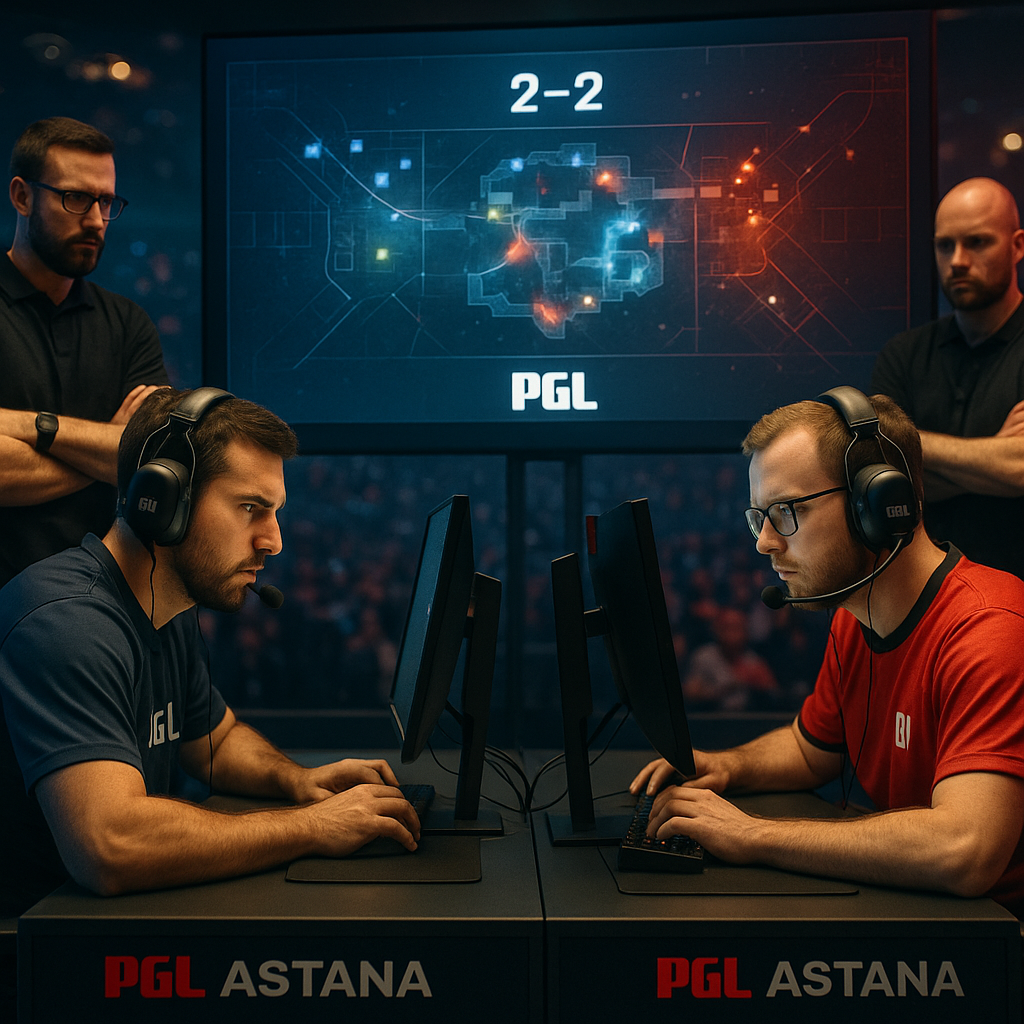
9z 3×1 ODDIK: os argentinos garantiram o slot sul-americano para Astana
When a South American team earns a slot to a major event abroad, the consequences extend beyond a single match result. For organizations, players, and regional fans, qualification prompts a distinct set of challenges and opportunities. This article explores evergreen aspects of such a situation, focusing on what teams commonly face when preparing for an international event in a city like Astana.
Competitive and tactical preparation
Securing a slot to an international event changes the competitive focus of a team. Coaching staff and analysts typically reassess the roster’s current map pool and identify areas where deeper preparation is required. This often means prioritizing maps that play to the team’s strengths while ensuring they remain flexible against diverse international strategies.
Teams also refine their tactical identity when moving from regional qualifiers to international stages. Scrims against varied opponents become more valuable than ever, and practice schedules are adjusted to simulate tournament conditions. Mental preparation and routine — including time management, practice intensity, and strategic reviews — are important to maintain performance under more intense scrutiny.
Logistics, travel and acclimatization
International events introduce logistical complexities that can affect performance. Travel arrangements, local accommodations, and schedule alignment are practical details that require careful planning. Teams often work with event organizers and experienced logistics partners to ensure visas, flights, and accommodations are handled with lead time.
Acclimatization to time zones, venue conditions, and even local culture can help reduce stress and fatigue. Many teams plan arrival times that allow for a buffer before the first match, enabling players to adjust to the environment, test equipment in the official venue, and complete any final bootcamp sessions. Attention to sleep schedules, nutrition, and light exposure helps players adapt more smoothly.
Team cohesion and mental resilience
A tournament slot can raise expectations from fans and stakeholders, which makes team cohesion and mental resilience critical. Coaches and support staff frequently emphasize routines that sustain focus and reduce external pressure. Team meetings, role clarity, and pre-match rituals contribute to a stable competitive mindset.
Maintaining open communication within the roster is essential, especially when facing a packed schedule and unfamiliar opponents. Delegating responsibilities, such as who handles opponent research or who liaises with event staff, helps the team function smoothly. Psychological support, including access to sports psychology resources, can be beneficial for long events where emotional regulation matters.
Regional representation and fan engagement
A South American slot at an international event carries symbolic importance for the region. It provides visibility for the scene, encourages grassroots growth, and inspires younger players. Teams that qualify often take the opportunity to connect with fans through media content, behind-the-scenes updates, and social storytelling that highlights their journey.
Engagement should be balanced with performance priorities; teams that manage communications thoughtfully can celebrate regional representation while protecting practice time and player focus. Clear messaging and scheduled interactions help maintain a productive balance between outreach and preparation.
Long-term implications and development
Qualifying for an international event can have long-term benefits beyond the immediate tournament. It can attract sponsorship interest, improve organizational reputation, and create pathways for future talent development. Teams often use the experience to evaluate infrastructure needs, such as coaching, analytics, and travel logistics, to support sustained competitiveness.
For the broader regional ecosystem, consistent presence at international events creates learning opportunities for other teams and contributes to the overall elevation of play. Knowledge transfer from experienced players and staff often helps strengthen domestic leagues and qualifiers over time.
Conclusion
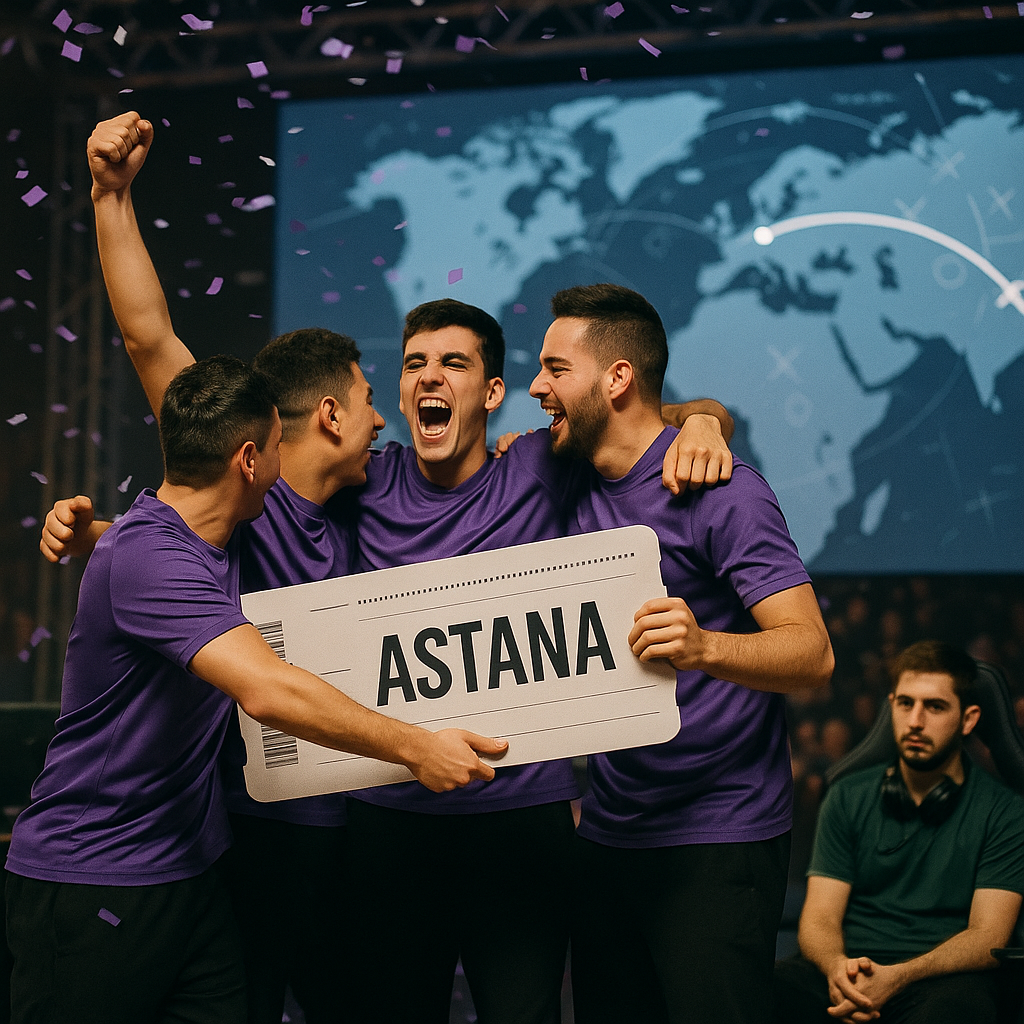
When a South American squad earns a slot to an event in a city like Astana, the situation prompts a mixture of logistical planning, tactical refinement, and mental preparation. Attention to travel logistics, acclimatization, team cohesion, and strategic focus all contribute to a team’s ability to perform on the international stage. Beyond the tournament itself, such qualification can foster regional growth and create foundations for long-term development.